
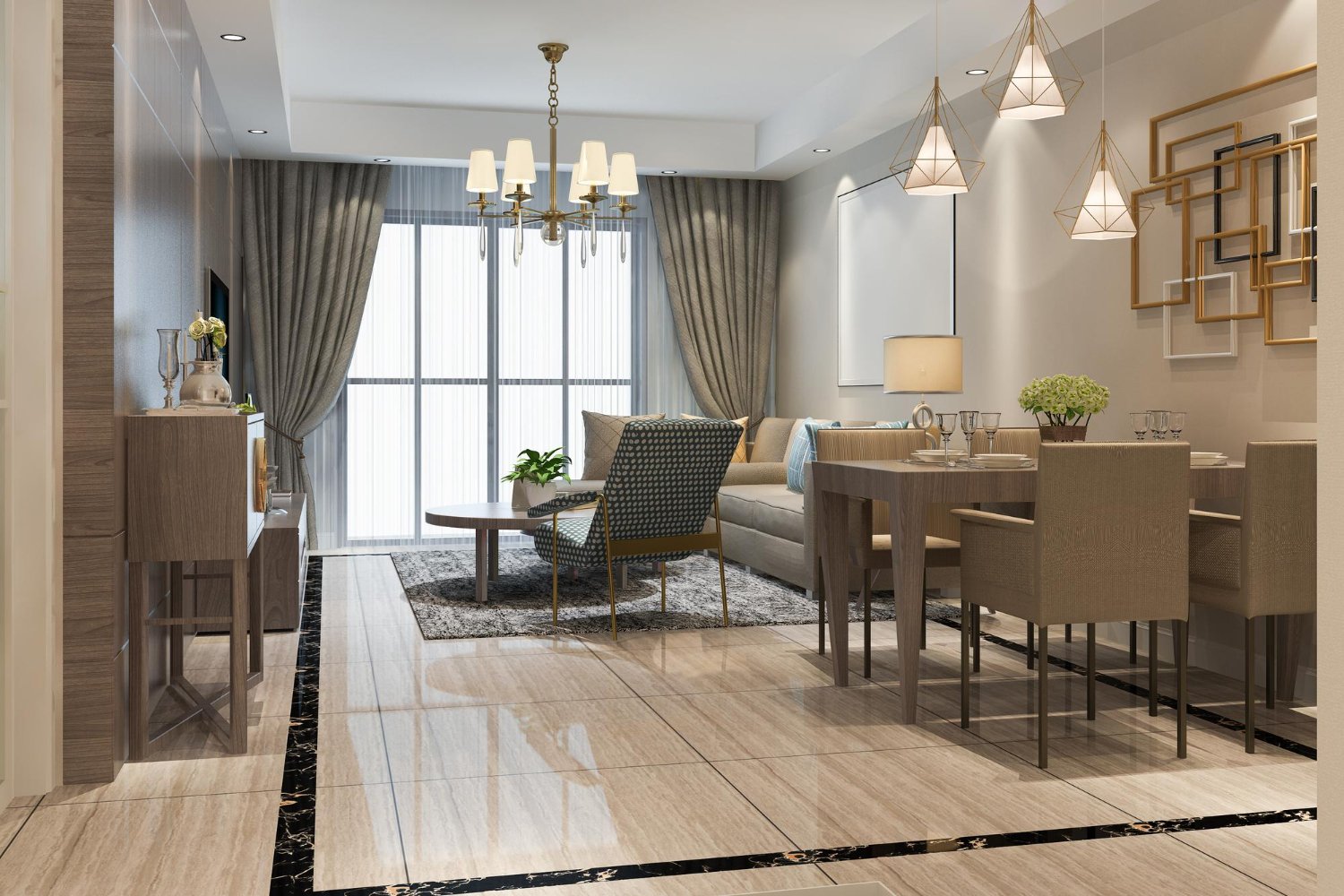
The Complete Home Interior Design Process Explained Step-by-Step (What Really Happens Behind the Scenes)
Most people think home interior design starts with picking sofa colors and ends with fancy lights. Well, Nope!! That’s like saying building a house is just choosing expensive paints.
The real interior designing journey is a full process. Structured. Emotional. Technical. Sometimes stressful. Mostly exciting. And when done right, deeply satisfying…Especially if you are working with interior designers in Bangalore or opting for turnkey interiors, the process follows a clear roadmap. Knowing this roadmap saves money, time, and a lot of mental confusion.
Houzeome walks you through what actually happens, step by step, the way professionals do it:
Step 1: Understanding You (Not Just Your House)
The process of interior designing starts by good designers who don’t look at walls but observe people:
- How many family members?
- Work-from-home needs?
- Kids? Elders? Pets?
- Do you host parties or love quiet evenings?
- Storage struggles?
- Daily routine?
Home interior design is not decoration. It is lifestyle planning. A young couple working long hours will need different spaces compared to a joint family with elders. A gamer needs acoustics. A reader needs lighting. A home chef needs smart kitchen flow. The insights into the lives of the clients matter. This is why the first consultation feels more like a conversation than a design meeting.
Design starts with human behavior.
Step 2: Site Visit & Space Analysis
Now the designers step into the actual space. In this step, measurements are taken. Structural beams, windows, plumbing points, electrical lines, everything is studied. In cities like Bangalore where apartments vary a lot in layout, experienced interior designers Bangalore residents trust know how to maximize awkward corners and compact rooms.
This stage answers questions like:
- Where can storage be added without blocking movement?
- Can a wall be shifted or is it load-bearing?
- Where will natural light help reduce artificial lighting?
This is the technical backbone of home interior design. Pretty ideas mean nothing if they don’t fit the structure needs reshaping.
Step 3: Concept Development
Here, the home starts getting a personality. Designers create mood boards. Colors, textures, materials, inspiration references. You’ll hear terms like:
- Modern
- Contemporary
- Minimal
- Scandinavian
- Industrial
- Traditional fusion
But it’s not about style labels. It’s about the feeling of home. What you want matters. Is it warm and cozy? Clean and luxury? Vibrant and creative? This is where clients start visualizing their future home emotionally, not just practically.
Step 4: Space Planning (The Most Important Step)
This stage quietly decides how comfortable your home will feel for years.
Furniture layouts are planned carefully.
- How far is the sofa from the TV?
- Does the dining chair block movement?
- Can wardrobe doors open fully?
- Is there enough walking clearance?
Professional home interior design is about invisible comfort. You don’t notice good space planning but only notice bad planning. And fixing bad planning later? Very expensive.
Step 5: 2D Drawings & 3D Visualizations
Now the imagination shifts to reality. The planning is visible. Designers prepare:
- Floor plans
- Electrical layouts
- False ceiling drawings
- Furniture details
- 3D renders
3D visuals help clients see the final outcome before execution. This reduces misunderstandings later. With turnkey interiors, this stage is crucial because everything from civil work to decor will follow these designs.
Step 6: Material Selection
This stage is fun as well as overwhelming! Clients juggle between laminates or veneer? Quartz or granite? Matte or glossy finish? Warm white lights or cool white? Interior designers guide choices based on:
- Budget
- Durability
- Maintenance
- Climate suitability
In Bangalore’s weather, moisture-resistant materials matter. Kitchen and wardrobe finishes are selected carefully to avoid long-term damage. This is where design meets practicality.
Step 7: Budgeting & BOQ (Bill of Quantities)
Now comes the part people usually fear. Costs. A professional turnkey interiors company provides a clear BOQ: listing materials, finishes, hardware, and execution costs. Transparency here prevents later surprises. This stage aligns dreams with financial reality. Good designers help prioritize what matters most. Maybe you invest more in the kitchen and wardrobes and save on decorative pieces. Smart allocation makes the difference.
Step 8: Execution Begins
This is where the site turns into a mini workshop. This stage work includes:
- Civil modifications
- Electrical wiring
- False ceiling installation
- Carpentry production
- Painting
- Tiling
- Plumbing adjustments
Project managers supervise timelines, quality, and coordination between teams. With turnkey interiors, clients don’t need to run behind vendors. One team handles everything. This reduces stress massively.
Step 9: Quality Checks & Finishing
Before handover, designers inspect:
- Alignment of cabinets
- Smoothness of finishes
- Door hinges & fittings
- Light placements
- Paint quality
Small corrections here prevent future frustration. Interior designers in Bangalore usually focus strongly on detailing, because final finishing defines the luxury feel.
Step 10: Styling & Final Handover
Now the house finally becomes a home.
Curtains. Soft furnishings. Decor pieces. Mirrors. Artwork.
This is the layer that adds warmth and personality.
Then comes the best moment, handover day.
Walking into a fully designed home without handling 20 different contractors is the biggest benefit of turnkey interiors. You get the keys. You step in. And everything is ready.
Why Turnkey Interiors Are Becoming Popular
Modern homeowners don’t have time to manage:
- Carpenters
- Electricians
- Painters
- Material suppliers
Turnkey solutions bring everything under one roof be it design, production, installation,etc.
It ensures:
- Better coordination
- Fixed timelines
- Controlled budgets
- Consistent design quality
Especially in fast-moving cities, this model reduces chaos.
Common Mistakes People Make Without Designers
Trying to DIY interiors often leads to:
- Poor space planning
- Storage shortage
- Mismatched finishes
- Budget overspending
- Delayed timelines
Professional home interior design saves money long-term, even if initial costs feel higher.
The key takeaway
Interior design is not just about beauty. It’s about how your home supports your life every single day. Good planning means easier mornings, smoother routines, comfortable evenings, and a space that feels truly yours. Behind every well-designed home is a structured process, from understanding people to final styling. Whether you work with experienced interior designers in Bangalore or choose turnkey interiors, knowing this step-by-step journey helps you make confident decisions.
You can reach out to the Houzeome team to consider interior designing for your space as we believe a home isn’t just built with walls. It is built with thought, planning, and the right team guiding every stage.

Leave a Reply