
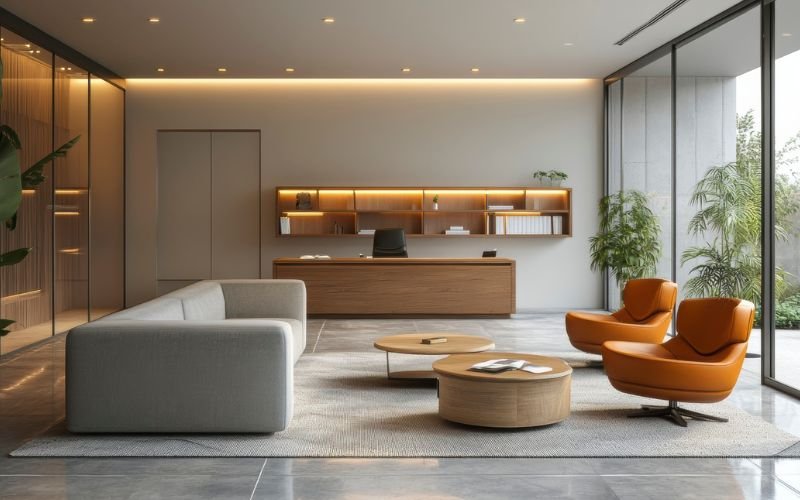
Best Space-Saving Interior Design Tips for Small Homes
Living in a small home does not mean you have to compromise on comfort or style. With the right interior design ideas, even a compact space can feel open, organized, and welcoming. Many homeowners today choose smaller homes because they are easier to maintain and often more affordable. However, making the most of limited space requires smart planning and thoughtful design.
The good news is that a few simple changes can make a big difference. From choosing the right furniture to improving storage and lighting, there are many ways to maximize every square foot of your home. In this article, we will explore some of the best space-saving interior design tips for small homes.
Understand Your Space Before Designing
Before making any design decisions, it is important to understand how your space is used. Every room should have a clear purpose. Take time to identify areas that feel crowded or underused. This will help you create a layout that supports your daily routine and makes the home more functional.
A well-planned design helps prevent unnecessary furniture and decorations from taking up valuable space. By focusing on what you truly need, you can create a cleaner and more comfortable environment.
Choose Multi-Functional Furniture
One of the most effective ways to save space in a small home is by using furniture that serves more than one purpose. Multi-functional furniture allows you to enjoy comfort and convenience without filling the room with extra items.
For example, a bed with built-in storage can help keep blankets, clothes, and other belongings organized. A dining table that can be folded when not in use can free up valuable floor space. Furniture that performs multiple functions helps maintain a neat and open look throughout the home.
Make Use of Vertical Space
When floor space is limited, it is important to look upward. Vertical space is often overlooked, yet it offers excellent storage opportunities. Tall shelves, wall-mounted cabinets, and hanging organizers can help keep items off the floor while providing easy access.
Using walls for storage also creates a more organized appearance. Books, decorative pieces, and everyday essentials can be stored neatly without making the room feel crowded. This simple approach helps maximize available space without requiring major renovations.
Keep the Color Palette Light
Color plays an important role in how large or small a room feels. Light colors help reflect natural and artificial light, making spaces appear brighter and more open. Shades of white, cream, light gray, and soft beige are popular choices for small homes.
A light color palette can create a sense of airiness and reduce the feeling of confinement. While adding some contrast can bring visual interest, keeping the overall design light and balanced often works best in compact spaces.
Let Natural Light In
Natural light can make a small room feel larger and more inviting. Large windows, sheer curtains, and open layouts help sunlight travel throughout the home. The more natural light a room receives, the more spacious it tends to appear.
Avoid blocking windows with heavy furniture or dark curtains. Instead, allow light to flow freely whenever possible. A bright room not only looks bigger but also feels more comfortable and pleasant to spend time in.
Use Mirrors to Create the Illusion of Space
Mirrors are a popular design tool for small homes because they can make rooms appear larger than they actually are. By reflecting light and surrounding views, mirrors create a sense of depth and openness.
Placing a large mirror on a wall or positioning mirrors opposite windows can enhance the feeling of space. This simple design trick is affordable and highly effective in compact rooms.
Reduce Clutter and Stay Organized
Clutter can quickly make a small home feel even smaller. Keeping belongings organized is one of the easiest ways to improve the appearance and functionality of a space. Regularly reviewing what you own and removing items you no longer need can help maintain a clean environment.
Storage solutions should be designed to keep everyday items out of sight while remaining easy to access. A tidy home often feels larger, calmer, and more comfortable.
Select Furniture That Fits the Room
Oversized furniture can overwhelm a small room and make movement difficult. Choosing furniture that matches the size of the space is essential for maintaining balance and comfort.
Smaller sofas, compact dining sets, and streamlined designs often work better in limited areas. Furniture with simple lines and an open appearance can also help create a more spacious look.
Create Smart Storage Solutions
Storage is one of the biggest challenges in small homes. The key is to make use of every available area without creating visual clutter. Spaces under beds, beneath staircases, and above cabinets can provide valuable storage opportunities.
Custom storage solutions can also help maximize efficiency by making use of corners and unused spaces. Thoughtful storage planning ensures that everything has a place, reducing mess and improving organization.
Keep the Design Simple
A simple design approach often works best in smaller homes. Too many patterns, colors, and decorative items can make a room feel busy and crowded. Clean lines, minimal decoration, and carefully selected furnishings help create a calm and spacious atmosphere.
Simplicity does not mean sacrificing style. Instead, it means focusing on quality over quantity and choosing elements that serve both practical and decorative purposes.
Use Open Layout Concepts
Open layouts can help small homes feel larger by reducing visual barriers between spaces. Combining areas such as the living room, dining room, and kitchen creates a more connected and spacious environment.
An open design allows light and movement to flow more freely throughout the home. Even in compact properties, removing unnecessary partitions can make a noticeable difference.
Conclusion
Designing a small home requires creativity, planning, and smart use of space. By choosing multi-functional furniture, maximizing storage, using light colors, and keeping the design simple, homeowners can create interiors that feel larger and more comfortable. Small spaces have great potential when every element is carefully considered.
With the right approach, even the most compact home can become stylish, functional, and enjoyable to live in. Space-saving interior design is not just about fitting more into a room—it is about creating a home that feels open, organized, and welcoming every day.

Leave a Reply