
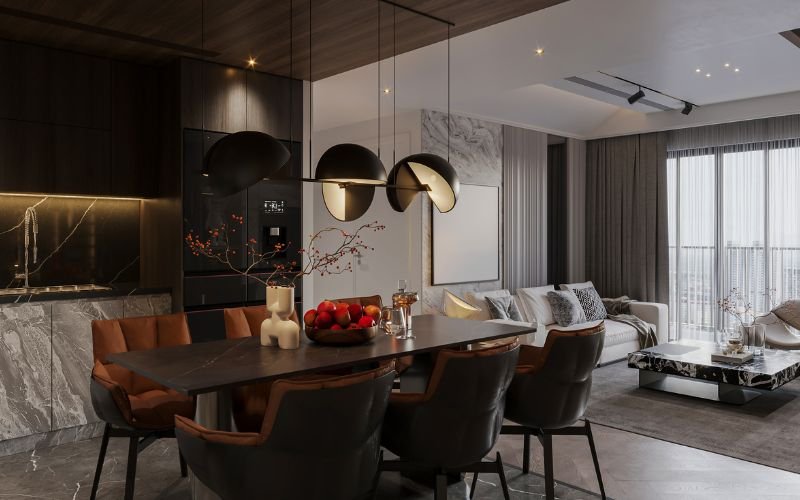
Bespoke vs. Off-the-Shelf Interior Design: What’s the Difference and Is It Worth the Investment?
Interior design is no longer just about decorating a space—it’s about creating a lifestyle. When planning a home or office interior, one of the most important decisions is choosing between bespoke interior design and off-the-shelf (ready-made) solutions.
Both approaches have their strengths, but they differ significantly in customization, cost, quality, and long-term value. Understanding these differences can help you make a smarter investment that aligns with your needs and budget.
What Is Bespoke Interior Design?
Bespoke interior design refers to fully customized design solutions tailored specifically to an individual space and client requirements. Every element—from furniture and layouts to materials and finishes—is designed from scratch.
This approach focuses on personalization, uniqueness, and precise functionality. Designers work closely with clients to understand their lifestyle, preferences, space limitations, and aesthetic goals before creating a completely custom environment.
In simple terms, bespoke design is like a tailored suit made exclusively for you—it fits perfectly because it is made for your exact needs.
What Is Off-the-Shelf Interior Design?
Off-the-shelf interior design uses pre-designed, mass-produced furniture and décor items that are readily available in the market. These are standardized solutions that can be purchased and installed quickly.
This approach is often used in budget-friendly projects or when speed is a priority. Instead of designing everything from scratch, homeowners select from existing collections and arrange them within their space.
It is similar to buying ready-made clothing—it may not be perfectly tailored, but it is convenient and cost-effective.
Key Differences Between Bespoke and Off-the-Shelf Design
The main difference lies in customization. Bespoke design offers complete creative freedom, while off-the-shelf design is limited to existing products and layouts.
In bespoke interiors, every detail is planned specifically for the space, ensuring perfect utilization of available area. In contrast, ready-made solutions may require adjustments that sometimes lead to unused or awkward spaces.
Quality is another major difference. Bespoke interiors often use higher-quality materials and craftsmanship, while off-the-shelf products are produced in bulk, focusing more on affordability and standardization.
Time is also a differentiating factor. Bespoke projects take longer due to design, approval, and fabrication stages, whereas off-the-shelf solutions can be implemented quickly.
Cost Comparison: Is Bespoke More Expensive?
Yes, bespoke interior design is generally more expensive than off-the-shelf options. The higher cost comes from custom design work, skilled labor, premium materials, and longer project timelines.
However, the cost should be viewed as a long-term investment rather than just an upfront expense. Bespoke designs often last longer and offer better functionality, which can reduce future renovation or replacement costs.
Off-the-shelf designs are more budget-friendly initially, but they may require upgrades or replacements sooner, especially if quality or fit is compromised.
Visual and Functional Impact on Space
Bespoke interior design offers a strong visual and functional advantage. Every piece is created to fit the space perfectly, resulting in a cohesive and balanced look.
This approach allows better space utilization, especially in irregular or compact areas. Storage solutions, furniture dimensions, and lighting are all optimized for functionality.
Off-the-shelf designs may not always align perfectly with the space, which can lead to gaps, wasted corners, or less efficient layouts. However, they still offer stylish and practical solutions for standard room sizes.
Personalization and Lifestyle Fit
One of the biggest advantages of bespoke design is personalization. It reflects your personality, lifestyle, and preferences in every detail.
Whether it’s a customized kitchen layout, a home office designed for productivity, or a living room that reflects your aesthetic taste, bespoke design ensures the space feels truly yours.
Off-the-shelf interiors offer limited personalization since they rely on pre-designed products. While you can mix and match items, the level of individuality is still restricted compared to custom design.
Durability and Long-Term Value
Bespoke interiors often provide better durability because they are built with carefully selected materials and skilled craftsmanship. This makes them more resilient over time.
They also tend to increase property value, especially in luxury homes or commercial spaces, because of their uniqueness and quality appeal.
Off-the-shelf designs may not last as long under heavy use, but they still offer good value for short-term or rental properties where flexibility and affordability matter more.
Is Bespoke Interior Design Worth the Investment?
The answer depends on your goals, budget, and long-term plans.
If you value uniqueness, long-term durability, and perfect space utilization, bespoke design is absolutely worth the investment. It transforms your space into something highly functional and visually distinctive.
However, if your priority is affordability, speed, or temporary living arrangements, off-the-shelf solutions can be a practical and efficient choice.
In many cases, a hybrid approach works best—combining bespoke elements for key areas and off-the-shelf items for secondary spaces.
Conclusion
Bespoke and off-the-shelf interior design both serve important roles in modern living. While bespoke design focuses on personalization, quality, and long-term value, off-the-shelf solutions offer convenience, speed, and affordability.
The right choice depends on how you want your space to function and feel. Investing in the right design approach ensures not just a beautiful interior, but also a space that truly supports your lifestyle.
Frequently Asked Questions (FAQs)
1. What is the main difference between bespoke and off-the-shelf interior design?
Bespoke design is fully customized to your space and preferences, while off-the-shelf design uses pre-made, ready-to-install furniture and décor items.
It offers more flexibility and personalization, whereas off-the-shelf solutions are faster and more budget-friendly.
- Is bespoke interior design always more expensive?
Yes, bespoke design usually costs more due to custom materials, design work, and craftsmanship.
However, it often provides better durability and long-term value, making it a worthwhile investment for many homeowners.
- Can I mix bespoke and off-the-shelf designs?
Yes, many homeowners choose a hybrid approach.
For example, they may use custom kitchen cabinetry while selecting ready-made furniture for bedrooms or living areas to balance cost and design flexibility.
- Which option is better for small spaces?
Bespoke design is often better for small or irregular spaces because it maximizes every inch efficiently.
Custom layouts and furniture can help create smarter storage and better flow in compact areas.
- How long does a bespoke interior project take?
Bespoke projects typically take several weeks to a few months depending on complexity.
This includes design planning, material selection, fabrication, and installation, making it more time-intensive than off-the-shelf solutions.
Create Your Dream Space with Houzeome
Whether you prefer fully bespoke interiors or a smart mix of ready-made solutions, Houzeome helps you design spaces that reflect your personality, maximize functionality, and elevate everyday living with expert interior design solutions tailored just for you.

Leave a Reply