
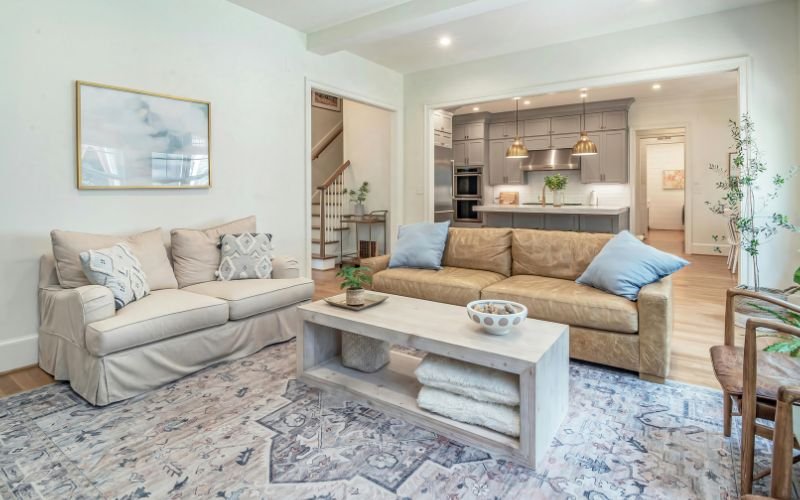
How to Choose the Right Interior Designer: 7 Questions to Ask Before You Sign Anything
Choosing the right interior designer can completely transform your home or workspace. A skilled designer does more than decorate—they bring structure, functionality, aesthetics, and personality into your space. However, hiring the wrong professional can lead to delays, budget overruns, and disappointing results.
Before you sign any agreement, it is important to ask the right questions. These questions help you understand the designer’s experience, working style, pricing, and ability to execute your vision.
Here are 7 essential questions that can help you make a confident decision.
What Is Your Design Style and Can You Adapt to Mine?
Every interior designer has a natural style—some prefer modern minimalism, others lean toward luxury, traditional, or eclectic designs.
It is important to ask this question because compatibility of style plays a major role in the final outcome. A good designer should not only showcase their own style but also be flexible enough to adapt to your preferences.
If a designer is too rigid or only works in one style, they may not be the right fit for your project. The ideal professional listens carefully and blends your ideas with their expertise to create something balanced and unique.
Can You Show Me Your Portfolio and Past Projects?
A portfolio is one of the most reliable ways to judge an interior designer’s capabilities. It provides real evidence of their creativity, execution quality, and attention to detail.
Ask to see completed projects that are similar in size and style to yours. This helps you understand whether the designer can handle your specific requirements.
Look for consistency in quality, practical use of space, and finishing standards. A strong portfolio is often a sign of experience and reliability.
What Is Your Design Process From Start to Finish?
Understanding the design process is crucial before hiring anyone. A professional interior designer should have a clear, step-by-step workflow.
This usually includes consultation, concept development, design planning, material selection, execution, and final delivery.
When a designer explains their process clearly, it shows organization and professionalism. It also helps you understand what to expect at each stage, reducing confusion and miscommunication later.
If the process seems unclear or disorganized, it may lead to delays and unexpected issues during execution.
How Do You Handle Budget and Cost Overruns?
Budget management is one of the most important aspects of any interior design project. Without proper control, costs can escalate quickly.
Ask the designer how they estimate costs and what measures they take to stay within budget. A responsible designer will provide transparent pricing and realistic estimates.
They should also explain how they handle unexpected expenses or changes during the project. Clear communication about finances helps avoid surprises and ensures smooth project execution.
A good designer will always try to balance creativity with cost efficiency.
Do You Work With Contractors and Vendors or Do I Need to Hire Them Separately?
Interior design projects often require collaboration with contractors, electricians, carpenters, and suppliers.
Some designers offer end-to-end services, while others only provide design plans and expect clients to manage execution separately.
This question helps you understand the level of involvement you can expect. Full-service designers can simplify the process significantly by handling everything for you.
If not, you may need to coordinate multiple vendors, which can be time-consuming and complex.
How Do You Manage Timelines and Project Delays?
Timely completion is a major concern in interior design projects. Delays can increase costs and disrupt your plans.
Ask the designer how they create timelines and what steps they take to ensure deadlines are met.
A professional designer will provide a realistic schedule and factor in potential delays such as material availability or contractor issues.
They should also have a system for tracking progress and updating clients regularly. Strong project management skills are essential for smooth execution.
What Happens After the Project Is Completed?
After-service support is often overlooked but extremely important. Even after project completion, minor issues such as adjustments, fittings, or repairs may arise.
Ask the designer whether they offer post-completion support or maintenance services.
A reliable interior designer will stand by their work and provide assistance if needed. This ensures peace of mind and long-term satisfaction with your investment.
Design is not just about delivery—it is about ensuring the space continues to function beautifully over time.
Conclusion
Choosing the right interior designer is not just about aesthetics—it is about trust, communication, and long-term value. By asking these 7 important questions, you can avoid common mistakes and ensure that your project runs smoothly from start to finish.
A good designer will not only understand your vision but also guide you with practical solutions, budget control, and efficient execution. Taking the time to evaluate your options carefully can make a huge difference in the final outcome of your space.
Design Your Perfect Space with Houzeome
Finding the right interior designer can transform your vision into reality. With expert guidance, transparent processes, and creative solutions, Houzeome helps you build beautiful, functional spaces that reflect your personality and lifestyle with confidence and ease.

Leave a Reply