
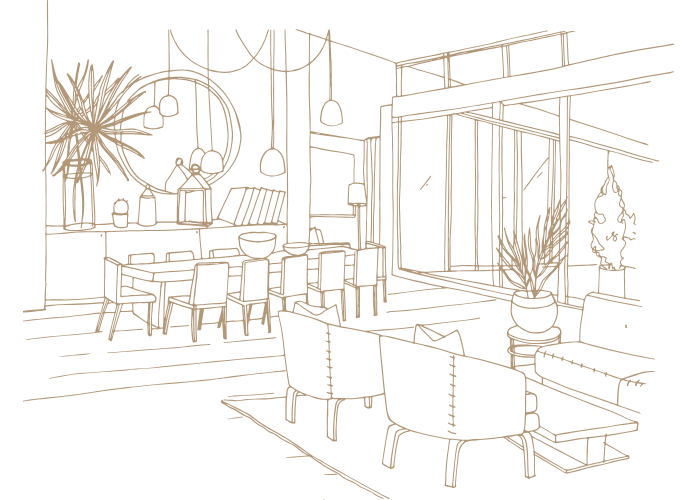
How to Plan a Functional Home Interior Layout
Comfortable, functional homes have well-designed interior layouts as a good start to creating an “ideal” home; if they are not functional, they will usually not be considered “homes.” Creating or maintaining functionality in a layout will help provide positive flow within a home and therefore provide a quality experience to all who occupy your homes (or visit them). Thus, when either designing a new deck or remodeling an existing one for your home, you need to match functionality to your personal lifestyle needs/desires.
In this post we will explore ways that you can develop the best functional home interior layout based on your unique style and satisfy the practical needs of daily living—without sacrificing either of them.
Understand Your Lifestyle and Daily Needs
When designing a functional home interior, the initial stage in the planning process is to understand how the space will be utilized by you and your family. Every family has varying routines, habits, and needs. An example of this type of discrepancy is for a family that has children. They would require you to design the open area to be used for activities that can accommodate multiple people at one time vs. how a working professional may need an office specifically for his or her own work purposes at home.
Consider how you will use each room prior to creating the functional floor plan (layout) of the space. Your everyday activities, what type of storage (or not), how you will be entertained, and what your plans may be for the future should all be taken into consideration in developing a layout. Designing your home to suit your lifestyle creates a comfortable and practical place to live.
Start with a clear floor plan.
The floor plan is a helpful tool for making decisions about how to set up your space, including your rooms, your furniture, and the pathways through your house. It also allows you to see how the spaces are connected to each other and how people would use them as they move through your house.
As you look at your own floor plan, look for ways to make it easy for people to walk through your house from room to room. Avoid placing furniture or walls in locations that block natural walking paths. Ease of walking around the house in a way that is simple and comfortable will make your home more functional.
Define the Purpose of Each Room
Every room should have a purpose. By defining how a space will be utilized (for instance, as a living room or kitchen), there will be less confusion and less traffic in any given area because the user will know what they are doing in that area.
Once each space has a defined purpose, selecting the right furniture, storage solutions, and decoration is much easier. This helps establish a more functional and organized home.
Focus on Traffic Flow
Traffic flow is defined as how people get around in a specific area. Efficient traffic flow is a key component of proper interior design. The intent behind using space efficiently is to provide an open environment for people to move freely; therefore, each piece of furniture should be placed in such a manner as to maintain open pathways and free access to areas of the home. In addition, rooms should have a logical arrangement that allows people to travel through them effortlessly and without having to go around any items that block the way; this creates an inviting and functional home.
Plan Furniture Placement Carefully
The size of the room and the function of the room should both dictate the dimensions of your furniture. Prior to buying, it’s important to measure the space that you have available and also think about how you’ll use the furniture. Furniture that is too large can overwhelm a space and feel cluttered, and furniture that is too small will not be comfortable or functional for you and your activities.
When you place furniture, it creates balance in the room, promotes movement toward your natural location, and allows the area to function properly. Thoughtful arrangements can transform any sized room to provide you with extra space and comfort.
Make the Most of Natural Light
The addition of natural light can enhance both the look and feel of a house at the same time. Rooms filled with natural light have an appearance of being larger, have an air of spaciousness, and have an inviting feel to them. When considering interior layout, it is important to think about how sunlight enters each area of your home at different times of the day.
Be careful not to block off windows with large furniture items. Allow sunlight to filter into all areas of your home. An illuminated house has a better presentation and creates a more welcoming/comfortable environment for the occupant(s).
Include Enough Storage Space
Having enough storage in your home is key to a functioning interior design. Without good storage, a room will become cluttered and hard to keep organized. A good way to plan for good storage is to create a plan for your storage solution beforehand so that you can easily locate your items when you need them.
Some ideas for storage include built-in cabinets, closets, shelving units, and hidden storage solutions. Each room should allow for the daily essentials needed for an entire household to be stored without compromising the visual appeal of a home. Proper planning for storage will help create a clean, organized lifestyle.
Create a Balance Between Open and Private Spaces
Many contemporary homes have been designed with open floor plans that combine the living room, the dining room, and the kitchen; however, even if you feel you have ample space, it’s also important to provide areas of the home where someone can be away from the hustle and bustle of life.
For example, a bedroom, study, or workspace should offer a certain degree of separation from areas in the home intended for social interaction. In order to achieve the best balance between openness and privacy, it is crucial to use all parts of your home effectively to accommodate all types of activities and the personal needs of its owners.
Consider Future Requirements
Your home’s functional design should be capable of meeting both present-day and future needs. The family may expand or contract over time based on changes to work patterns, lifestyle preferences, and/or other opportunities. Consider the changes you anticipate in your future use of the spaces when designing your own functional design.
By designing with flexibility in mind, you can create spaces that will serve multiple purposes over time based on your changing needs, thereby reducing the likelihood of needing to renovate extensively in the future.
Choose Practical Design Elements
Aesthetics are very important, but practicality should always be a high consideration. Flooring, furniture, light fixtures, and building material should all be chosen based on their performance in real life; this will lead to a more satisfied homeowner.
For busy households, durable and easy-to-maintain materials will tend to be the best options. Practical design will also help keep your new home functional and looking good for many years.
Use Space Efficiently
Every part of your house has to be put to good use. Empty areas, gaps between walls or pieces of furniture, and small unused spots can all have purposes as long as there’s a plan to use them. A good plan will maximize use of space without crowding the home (e.g., a small home can feel much larger than it really is).
The efficient use of space is critical in smaller homes since every square inch is valuable. A well-planned layout will ensure that no part of the house is wasted and also retain the “comfort and visual appeal” of the home.
Review and Adjust Before Finalizing
Prior to completing an interior layout, you need to spend some time reviewing the plan very closely. Walk through each room in your head and picture what you will be doing in each room every day. Think about whether or not the layout supports your daily activities and if there will be adequate comfort, storage, and access.
Making changes during the planning phase is significantly more manageable than attempting to alter the layout once all of the furniture and fixtures have been put in place. A thorough review will help guarantee that your final design is consistent with your anticipated output.
Conclusion
When designing the functional layout of your interior space, it should support you in your everyday living; however, it should also be comfortable and aesthetically appealing. You can design an efficient, comfortable, and attractive home that will make your everyday living easier than if you had to put a lot of effort into it by considering how you live, creating efficient traffic flow, providing adequate storage, and utilizing the available square footage effectively.
The right configuration will give you the ability to live your life efficiently while also providing a comfortable environment for you and your family to enjoy. When properly planned with attention to detail, your interior can not only look great but can also serve you every single day.

Leave a Reply